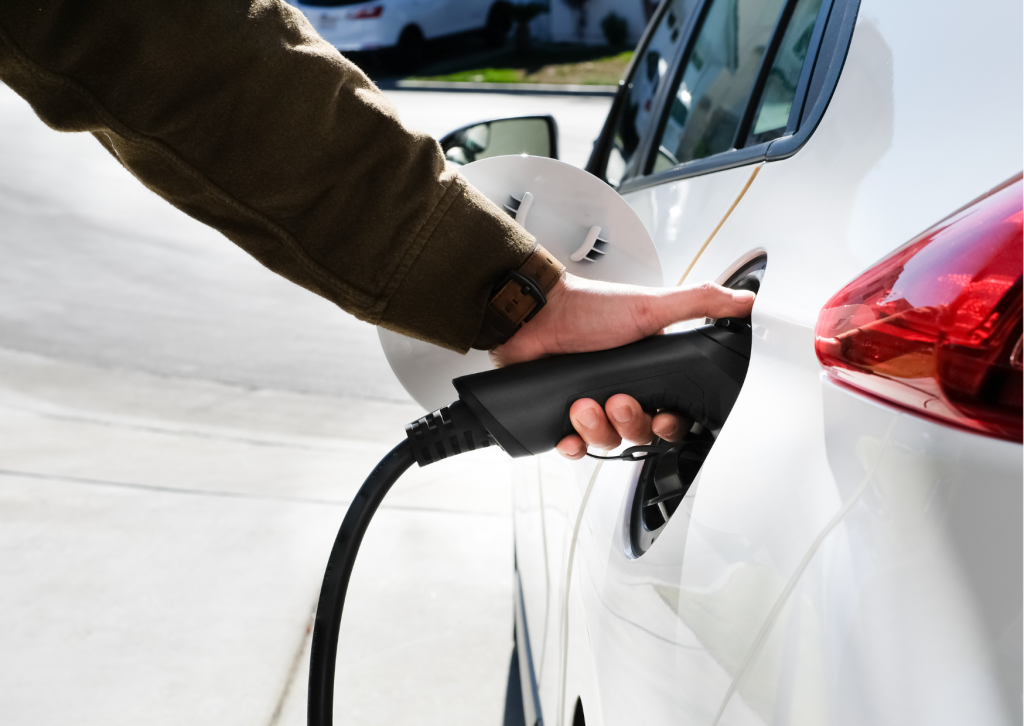
Deliverables 3.3 and 3.4 together represent a major step toward a fully optimised, user-centric electric vehicle (EV) charging ecosystem—spanning the entire chain from energy provision to end-user services. This combined work not only advances smart charging technologies and system-level optimisation but also introduces a standardised communication framework to enable real-time flexibility services.
A central achievement is the development and adaptation of the Universal Market Enabling Interface (UMEI), which establishes a standardised and interoperable communication layer between Distribution System Operators (DSOs) and Charging Point Operators (CPOs). Within the project, this interface enables DSOs to request, activate, and validate flexibility services from EV charging infrastructure in a scalable and technology-agnostic way. By extending UMEI to support smart charging, congestion management, and Vehicle-to-Grid (V2G) functionalities, the project addresses a critical gap in coordinating grid needs with EV charging operations.
This system-level interoperability is complemented by a holistic optimisation of the charging chain. The work integrates insights from user behaviour analysis, energy system modelling, and grid assessments to anticipate future EV usage patterns and identify potential infrastructure constraints. These insights inform the development of advanced charging technologies, control strategies, and sector coupling concepts.
To validate these innovations, the project combines real-world demonstrations in Belgium, Germany, Italy, and Portugal with a powerful digital twin of the charging ecosystem. This simulation environment models the interactions between all actors—EVs, charging infrastructure, users, and grid operators—allowing large-scale testing and impact assessment of smart charging strategies.
Importantly, the architecture follows a layered approach: UMEI governs system-level interactions between DSOs and CPO backends, while device-level communication (e.g., between chargers and vehicles) is handled separately. This ensures clear responsibilities, avoids technical overlap, and strengthens interoperability across the ecosystem.
The Portuguese demonstration further validates this approach using simulated grid data, enabling secure and controlled testing of communication flows, flexibility requests, and system responses without relying on live operational systems.
Together, Deliverables 3.3 and 3.4 lay the foundation for an intelligent, interoperable, and scalable EV charging network—supporting smart charging (V1G), bidirectional energy flows (V2X), and enhanced grid flexibility. This work is a key enabler for a more resilient, efficient, and user-focused energy and mobility system across Europe.